Can Pi Network’s First Ecosystem Summit Reverse the Price Slide?
Pi Network news is focused on the first Ecosystem Summit, scheduled for November 17–19, 2026. Yet PI is approaching the event from a weak position. On November 16, the token was trading around $0.0613, close to its recent all-time low of approximately $0.06035 recorded on November 14. The summit could create a short-term catalyst, but the price action does not yet show that buyers are returning in strength.

The central question is not simply whether Pi Network announces new features. It is whether those announcements lead to applications people use, transactions that create demand for PI, and sustained activity after the event. Without that follow-through, a summit-driven bounce could fade quickly.
What Pi Network plans to announce from November 17 to 19
The three-day online event has a developer focus. The first day is scheduled to cover developer-platform capabilities, ecosystem initiatives and community-built applications. November 18 is dedicated to AI and the ecosystem, including demonstrations of tools and infrastructure. On November 19, Pi Network plans to announce Pi Next, a new hackathon with a $200,000 USDT prize pool.

That agenda matters because it points to utility rather than a token-specific promotion. Pi Network is trying to attract developers who can build services using its infrastructure, including app discovery, authentication and Pi payments. In a November 12 update, the project said its ecosystem included more than 60 million engaged Pioneers, over 420,000 Nodes and more than 18 million KYC-verified users. These are project-reported figures, not proof that all those users are active in apps or regularly making payments.
The distinction is important for PI holders. A large community can help an ecosystem grow, but token demand depends on what participants actually do. If new apps generate repeat transactions and give users a reason to hold or spend PI, the summit could improve the network’s longer-term outlook. If the event mainly produces announcements and demonstrations, the effect on the token may be temporary.
The $200,000 hackathon prize is also denominated in USDT, not PI. It may encourage developers to build on the network, but the prize pool itself does not create automatic buying pressure for the PI token.
Why PI remains vulnerable before the summit
PI’s decline reflects more than disappointment about one event. The token remains more than 97% below its $2.98 all-time high recorded in February 2025, a reminder that the current weakness sits inside a much longer correction. The wider crypto market is also under pressure.
The broader crypto market’s Fear and Greed reading was 19, classified as Extreme Fear, on November 16. Such readings indicate defensive positioning across the market, although they cannot predict the next move in an individual token.
The recent price sequence illustrates the weakness. PI closed near $0.069 on November 13, then fell towards $0.061 by November 16. That is a decline of roughly 11% in three days. The token also set a fresh record low near $0.06035 on November 14, replacing the earlier low cited in reports from November 9.
A weak market makes event-driven rallies harder to sustain. Traders may buy ahead of an announcement, then sell into the first rise to reduce exposure. That pattern is especially relevant when a token is trading close to its record low and confidence is already fragile.
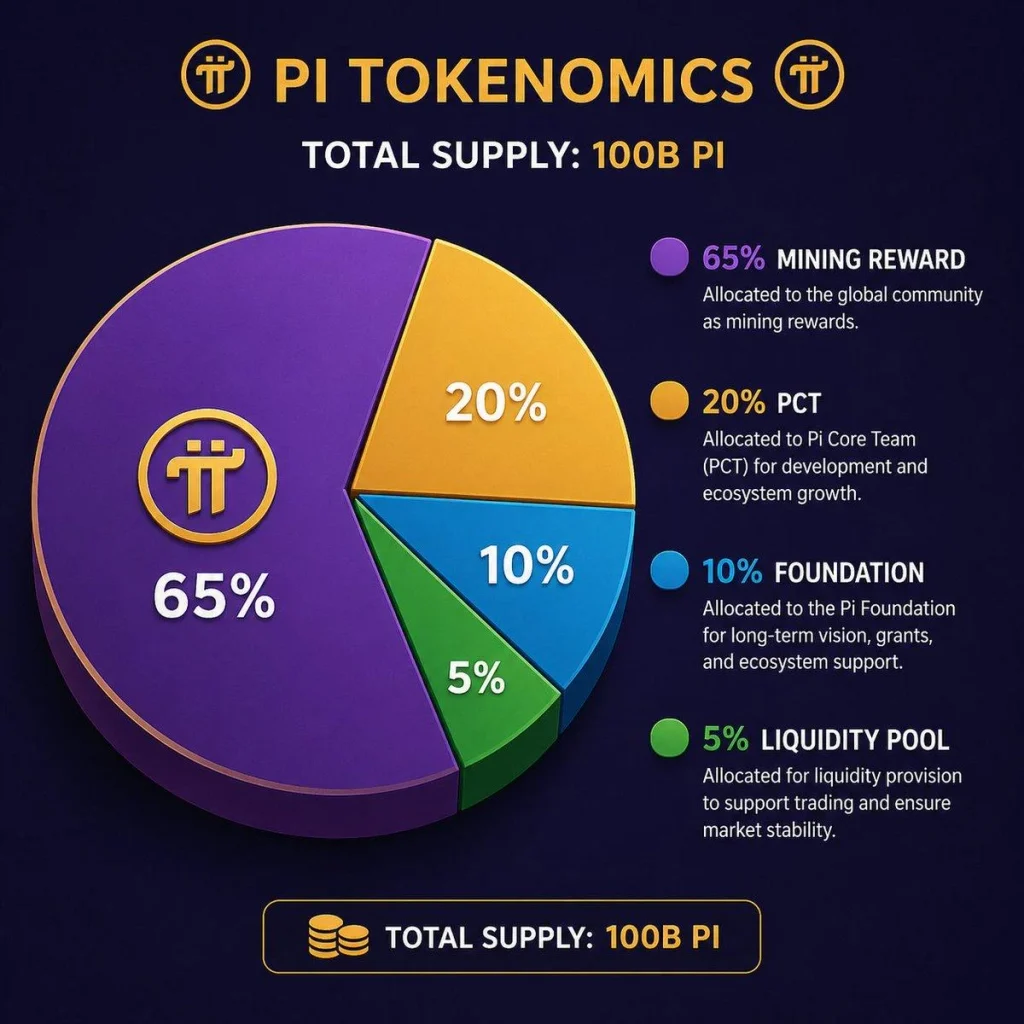
Supply is another factor investors should keep in view. Market trackers list PI’s maximum supply at 100 billion tokens, while the circulating amount is around 11.39 billion. The maximum figure does not mean all remaining tokens will enter the market at once. It does mean that future changes in circulating supply matter: new supply needs to be absorbed by genuine demand if the price is to rise sustainably.
The technical picture: the record low is the level to defend
The immediate support area is around 0.0600–0.0608. The lower end is close to the November 14 record low, while the upper end reflects the recent trading range. A brief move below this area would not automatically settle the direction, but a sustained daily close beneath the record low would show that sellers remain in control. There is limited established price history below that point, so deeper downside targets should be treated as scenarios rather than confirmed support levels.
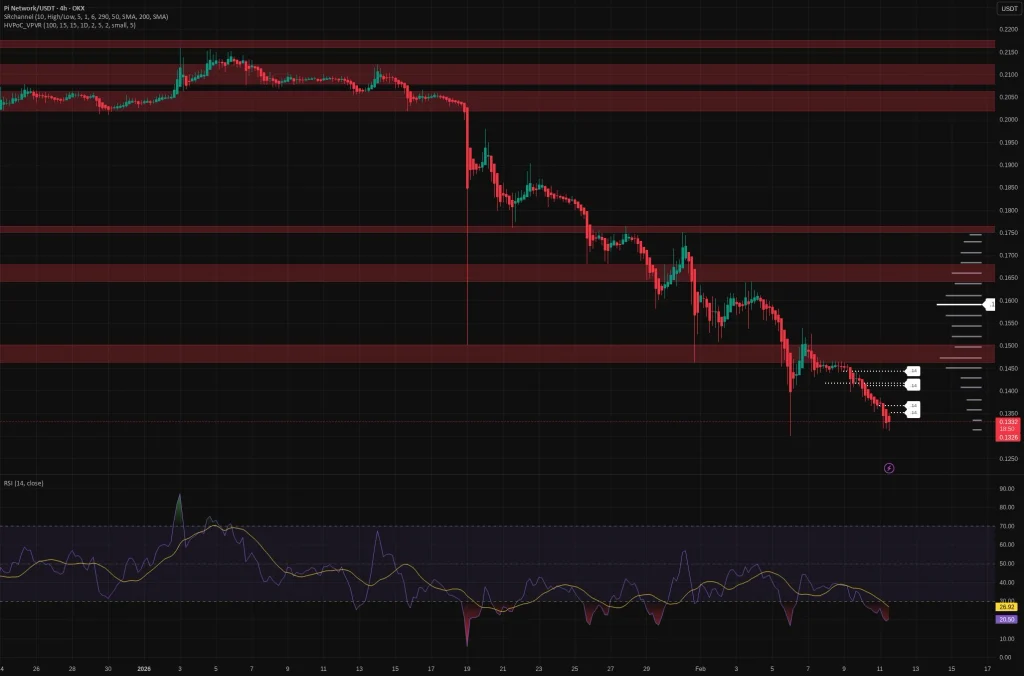
On the upside, PI first needs to recover the 0.0635–0.0665 area. This zone includes nearby pivot and recent intraday levels. A move through it would be an early sign that buyers are responding, but it would not yet confirm a broader reversal.
The next important area is around 0.069–0.074, where recent trading and descending resistance may create supply. A stronger recovery would need to clear that band and hold above it.
Momentum indicators remain weak. Recent daily RSI readings from market dashboards sit around the oversold threshold, roughly between 28 and 32 depending on the data provider and calculation time. An RSI below 30 can signal that selling has become stretched, but it is not a buy signal by itself. In a persistent downtrend, an asset can remain oversold while making new lows.
For a more credible bullish signal, traders would want to see several things together: a higher low, improving trading volume, a daily close above nearby resistance and follow-through after the summit announcements. A single green candle or a brief spike would be much less convincing.
Three possible reactions to the Ecosystem Summit
A bearish outcome would be a summit dominated by broad promises without clear product releases or evidence of user adoption. If PI also loses the $0.0600 area, the market could interpret the move as a continuation of the existing downtrend.

A neutral outcome is also possible. The project may present useful developer tools, but investors could wait for proof that those tools lead to active applications and recurring transactions. In that case, PI could remain volatile and range-bound rather than immediately recovering.
The bullish case requires more than positive headlines. Concrete platform improvements, working applications, developer participation and measurable use of Pi payments could strengthen the longer-term argument.
For the chart, a sustained recovery above $0.0665 and then the 0.069–0.074 resistance zone would provide more convincing evidence that sentiment is changing.
What PI holders should watch after November 19
The most useful information may arrive after the event, not during the presentations. Watch whether developers launch usable applications, whether existing apps gain meaningful activity, and whether Pi payments become part of repeat user behaviour. Also distinguish announcements from features that are actually available to users.
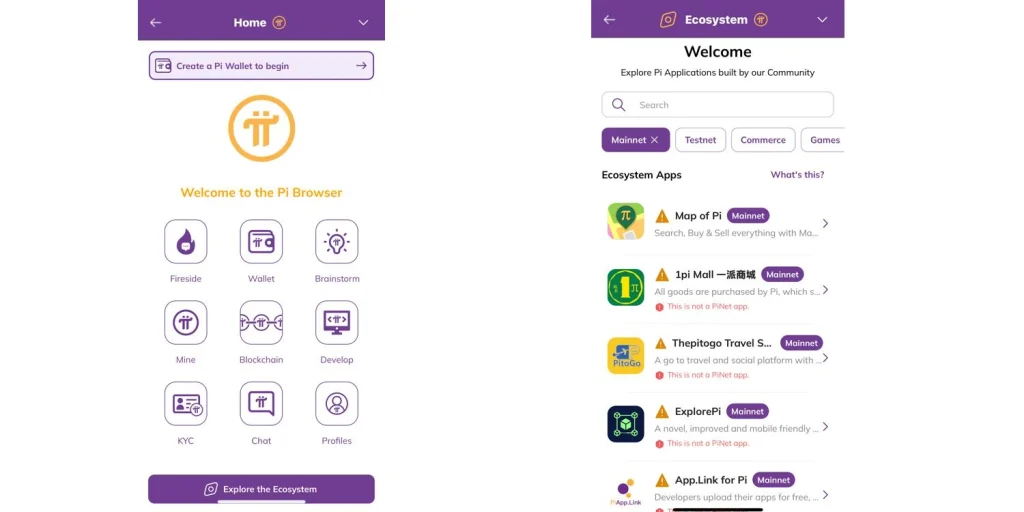
For price analysis, keep the record-low area near $0.06035 in view, then monitor whether PI can reclaim the first resistance band. Volume matters: a price rise on thin trading is easier to reverse than a move supported by broader participation.
Could PI reach $0.10 before 2026 ends?
From roughly $0.0613, that would require a rise of about 63%. Such a move is possible in a volatile crypto market, but it would need more than a positive event headline. PI would first have to reclaim the nearer resistance zones, attract stronger volume and show that demand is lasting beyond the summit.
The summit is a genuine ecosystem milestone, but it is not a guarantee of a price recovery. Until PI establishes a higher low and moves back above resistance, the cautious view remains more defensible than a bullish forecast.
This is market analysis, not a recommendation to buy or sell PI. Cryptocurrency prices are volatile, and investors should assess their own risk before making decisions.