Why Singapore Barred Alice Huang From Re-entry in Megaspeed Case
Singapore has confirmed that former Megaspeed executive Alice Huang was barred from returning after police concluded she knowingly gave investigators inaccurate information about her role in the company. The Ministry of Home Affairs (MHA) stressed that police found insufficient evidence to establish that Huang committed the suspected offences involving server declarations. It also said she was not investigated for espionage.
The wider investigation remains open. Police are examining Megaspeed and six other individuals, while Singapore and the United States have agreed to continue discussions about the case.
Why Singapore barred Alice Huang
In a statement on November 12, the MHA identified Huang, also known as Huang Le, as a Hong Kong resident and Megaspeed’s former chief executive, chairperson and one of its key controllers.
In February 2026, after consulting the Attorney-General’s Chambers, police concluded there was insufficient evidence to establish that Huang had committed offences related to the suspected inaccurate declarations. Separately, investigators assessed that she knowingly gave them inaccurate information to downplay her role at Megaspeed.
Huang received a stern warning and was barred from re-entering Singapore. Her passport was returned on February 26, 2026, and she departed that day.
The warning and entry ban are confirmed actions, but they are not a conviction for customs fraud. Nor do they establish the separate espionage allegations reported internationally.
What the Megaspeed investigation concerns
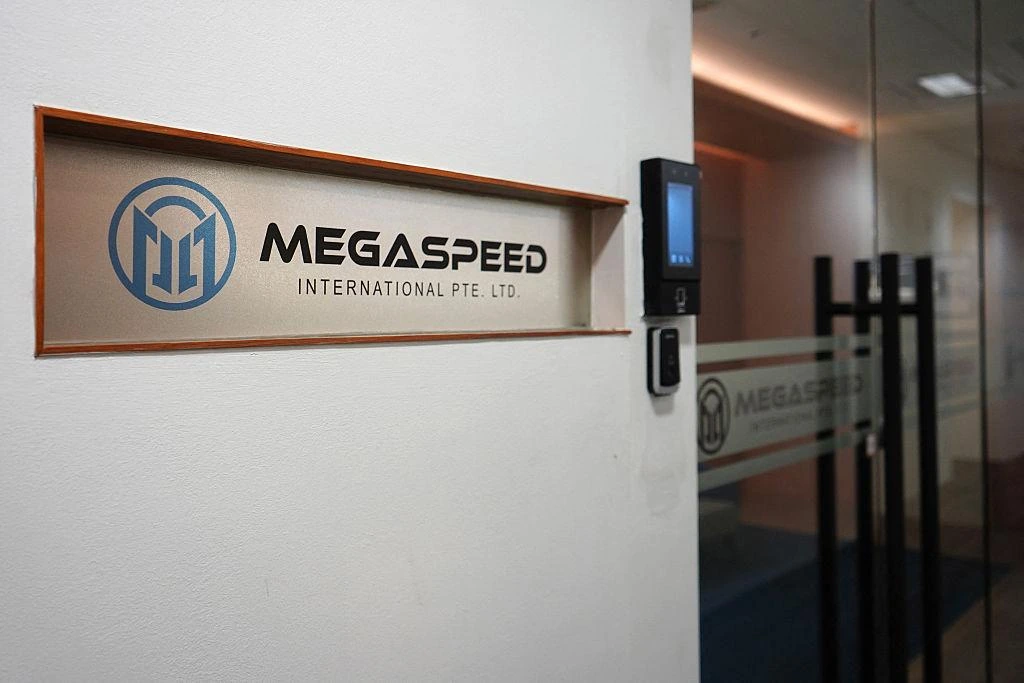
The Singapore Police Force and Singapore Customs opened an independent investigation in February 2025 into several companies and their key officers, including Singapore-incorporated Megaspeed International. The suspected offences concern possible false declarations related to server purchases. The government says the inquiry was not initiated at the request of another country.
The route taken by the equipment is central. According to the MHA, companies under investigation bought physical servers and exported them through Singapore to Malaysia without the equipment entering Singapore’s domestic market. Police are checking whether the servers were later routed from Malaysia to another destination, contrary to declarations made in Singapore.
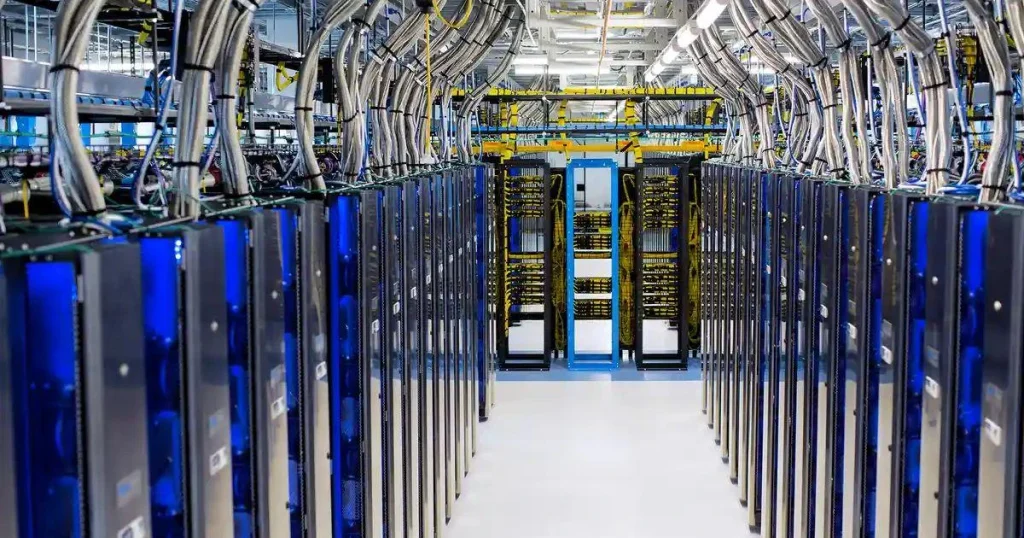
Singapore says it does not enforce unilateral export controls imposed by other countries. However, companies operating in the city-state are expected to consider foreign export rules in their international business and must not use Singapore as a base for fraud or dishonest practices.
Singapore and the United States continue discussions
The investigation requires information from several jurisdictions to establish where the servers originated and where they may ultimately have been sent. Singapore said it had received limited information or assistance from the United States concerning the company.
On November 16, Singapore confirmed that Digital Development and Information Minister Josephine Teo had discussed Megaspeed with US Deputy Secretary of State Christopher Landau during a visit to Washington. Both sides agreed to maintain communication on matters of mutual interest, including the case.
Megaspeed says it hired a US law firm to inventory its graphics processing units (GPUs) and independently review its export-control compliance. It also says it cooperated with inspections by the US Commerce Department’s Bureau of Industry and Security.
On November 15, Megaspeed said Huang left the company on August 30, 2025, and no longer has a role there. The company described its business as lawful, rejected media claims it said were unsupported by verifiable evidence and announced an internal investigation led by external lawyers. These are Megaspeed’s statements, not findings by Singaporean investigators.
Why the case is linked to Nvidia
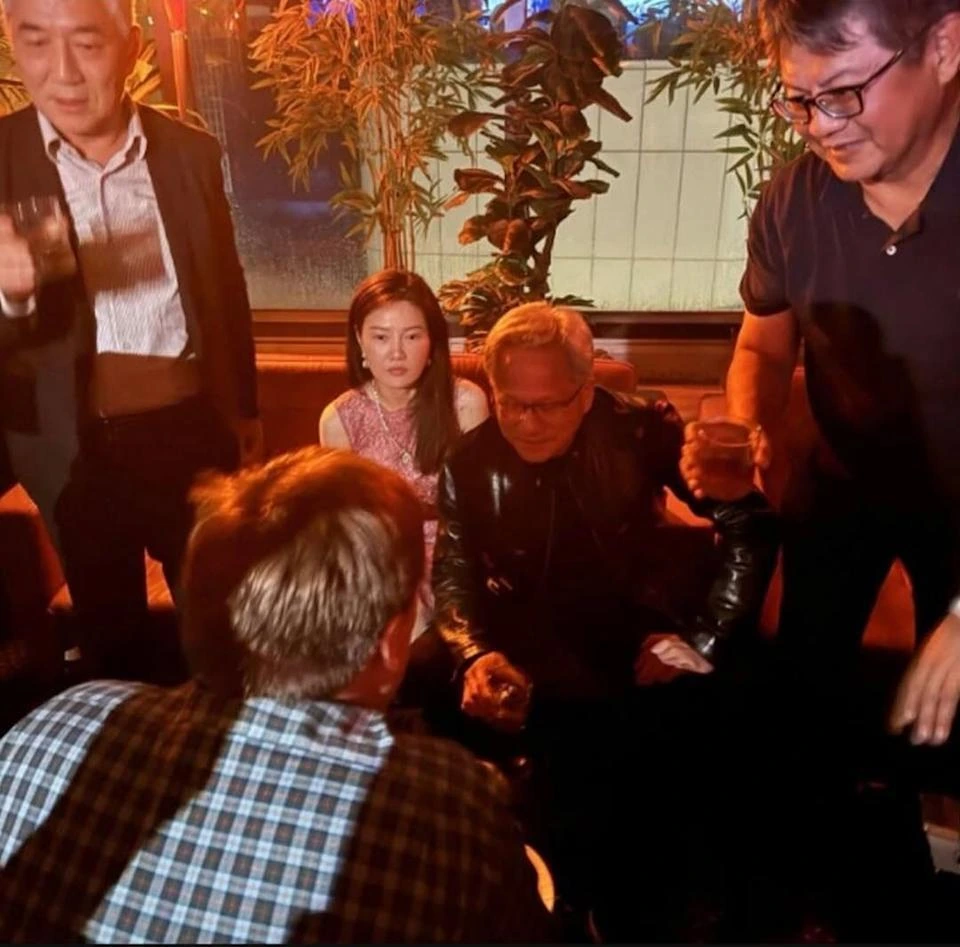
The controversy widened after reports connected Alice Huang personally to Jensen Huang, Nvidia’s former chief executive. Allegations that she acted for China have appeared in media coverage, but Singapore says she was not investigated for espionage. Beijing has rejected the accusations.
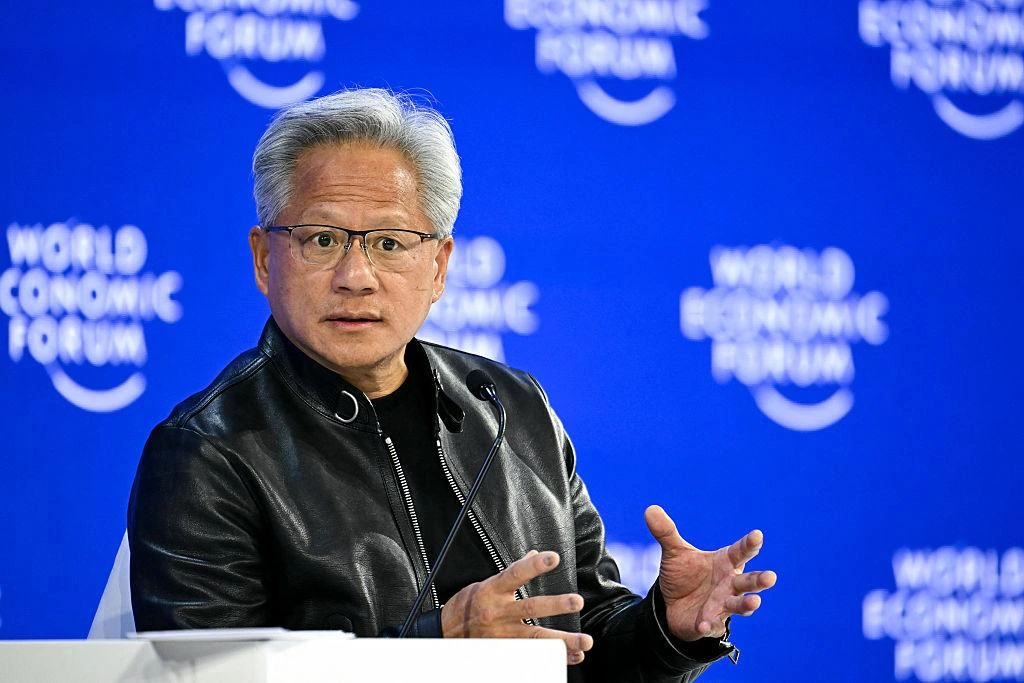
Nvidia’s leadership has also changed. Jensen Huang resigned as president, CEO and a board member, effective November 11. Chief financial officer Colette Kress became interim CEO while the board searches for a permanent successor. Nvidia had previously announced an independent investigation into reports that Huang was the target of a foreign intelligence effort.
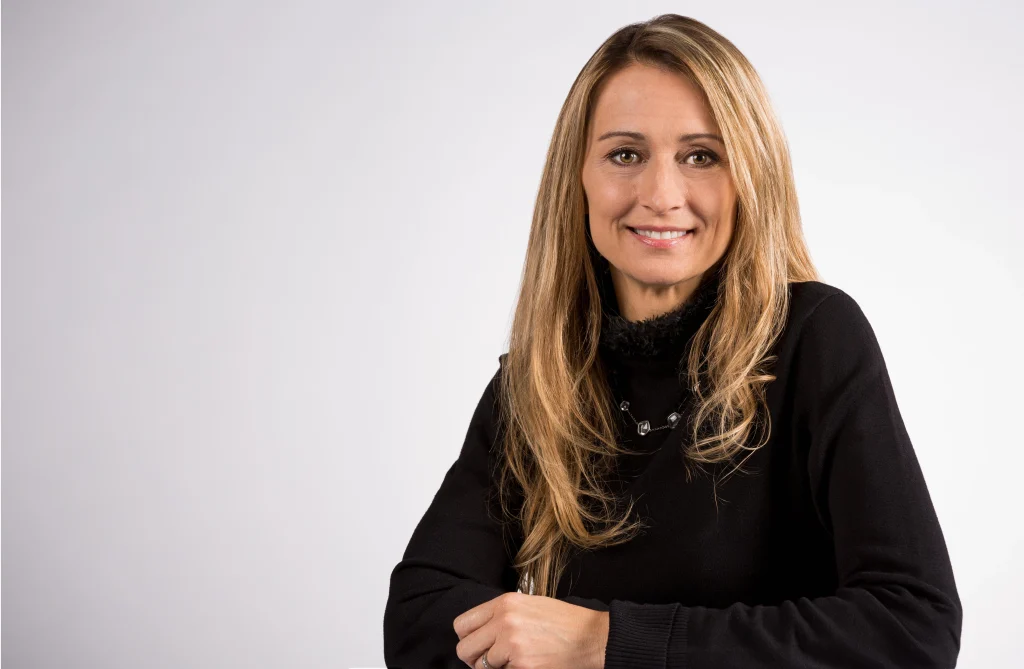
The leadership change has increased attention on the controversy, but it does not decide the outcome of Singapore’s separate inquiry. Allegations about personal relationships, intelligence activity and possible chip diversion must be kept distinct from the server-declaration issues being examined by Singapore police.
What to watch next
The key unresolved question is whether investigators can establish where the servers went and whether any declarations breached Singapore law. The inquiry into Megaspeed and six other individuals is continuing; the MHA has not announced a final finding against the company.
The next developments to watch are the results of Megaspeed’s GPU inventory and compliance review, further information-sharing between Singapore and US authorities, and any additional enforcement action.
For now, the confirmed position is clear: Alice Huang was warned and barred from re-entry because police assessed that she knowingly gave inaccurate information about her role. Singapore found insufficient evidence to establish that she committed the suspected server-declaration offences, while the wider investigation remains unresolved.